

First Class Executive Travel · Updated
01 — Start with the sailing
Use the operator's boarding information
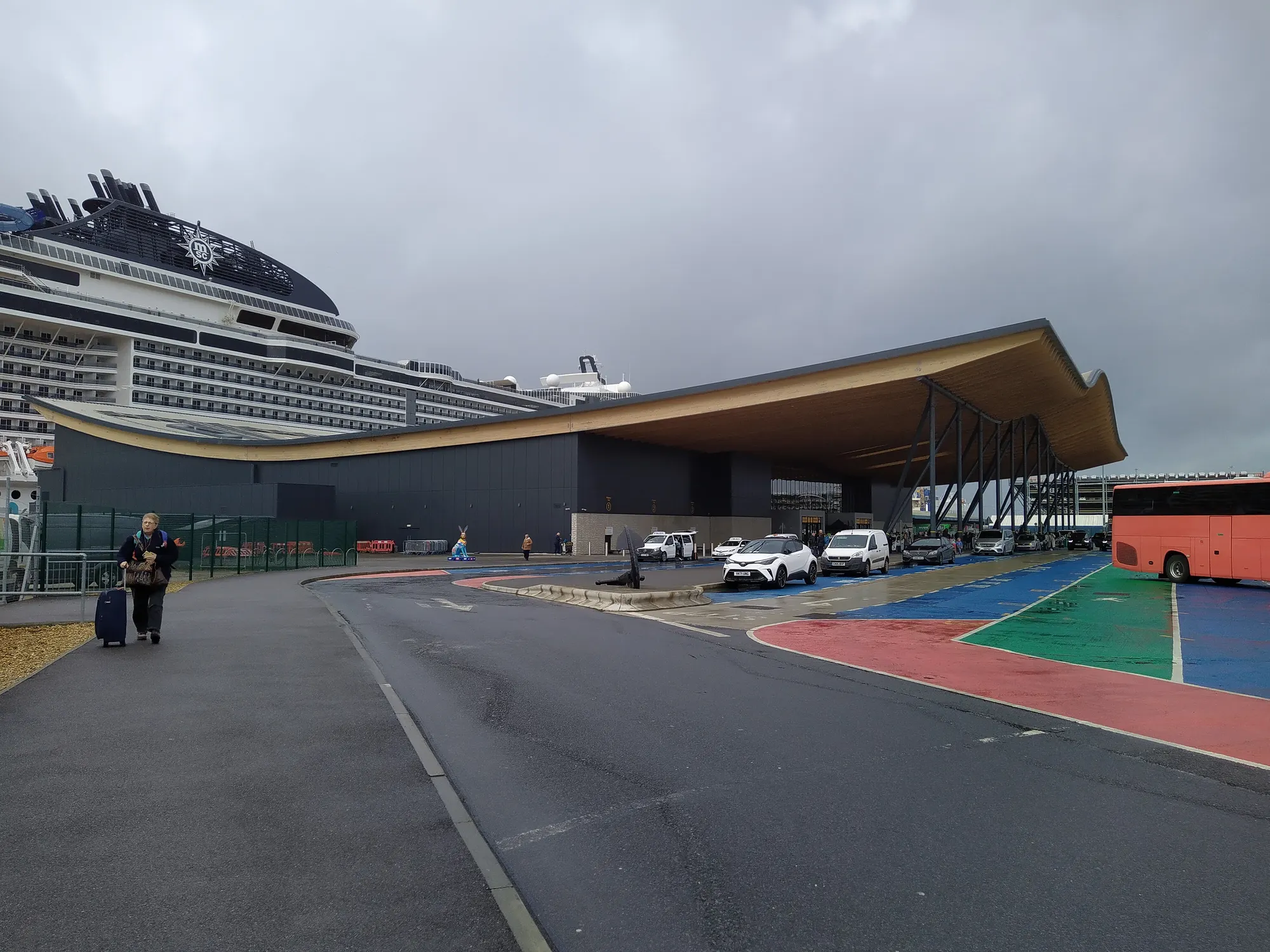
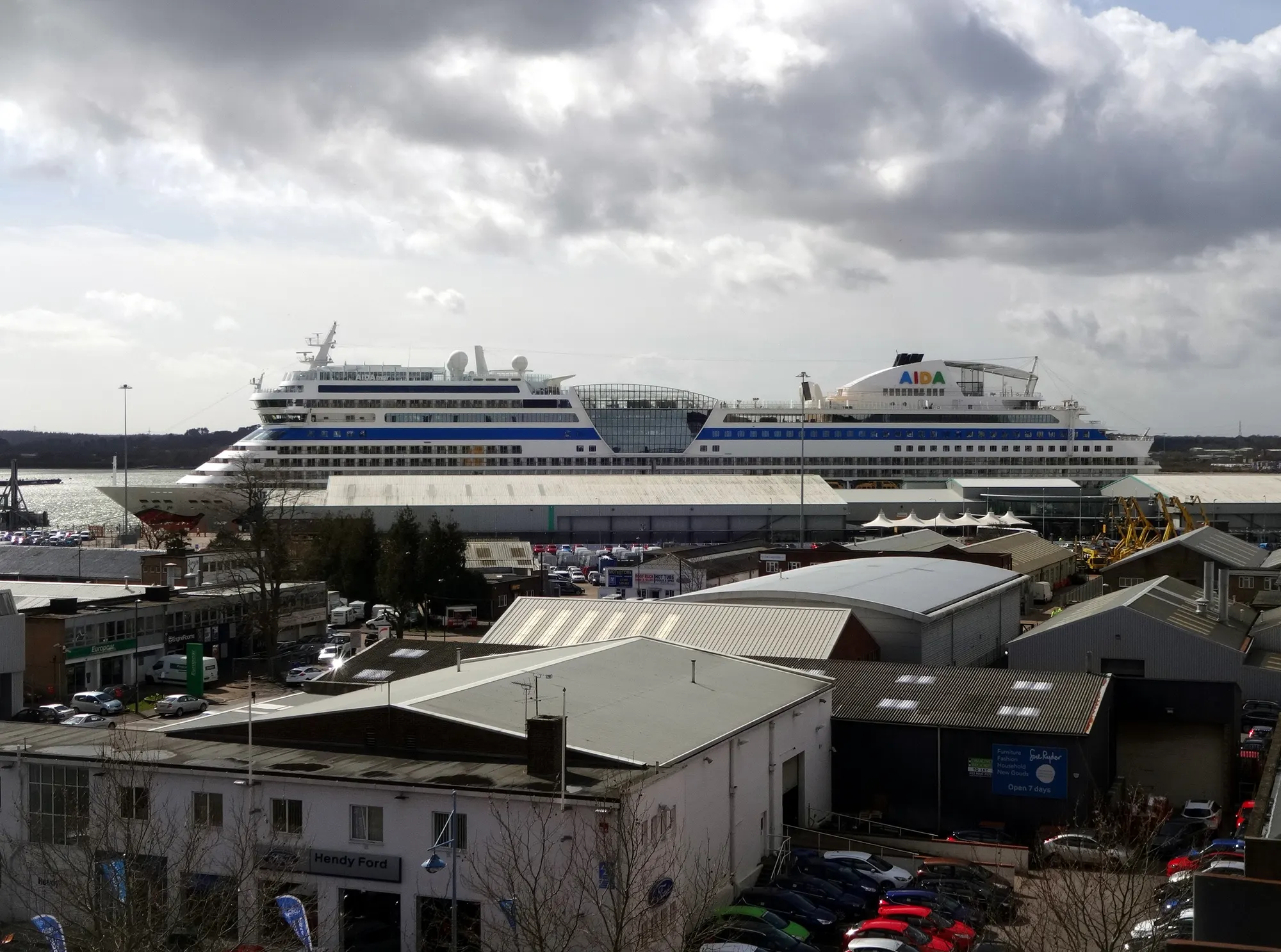
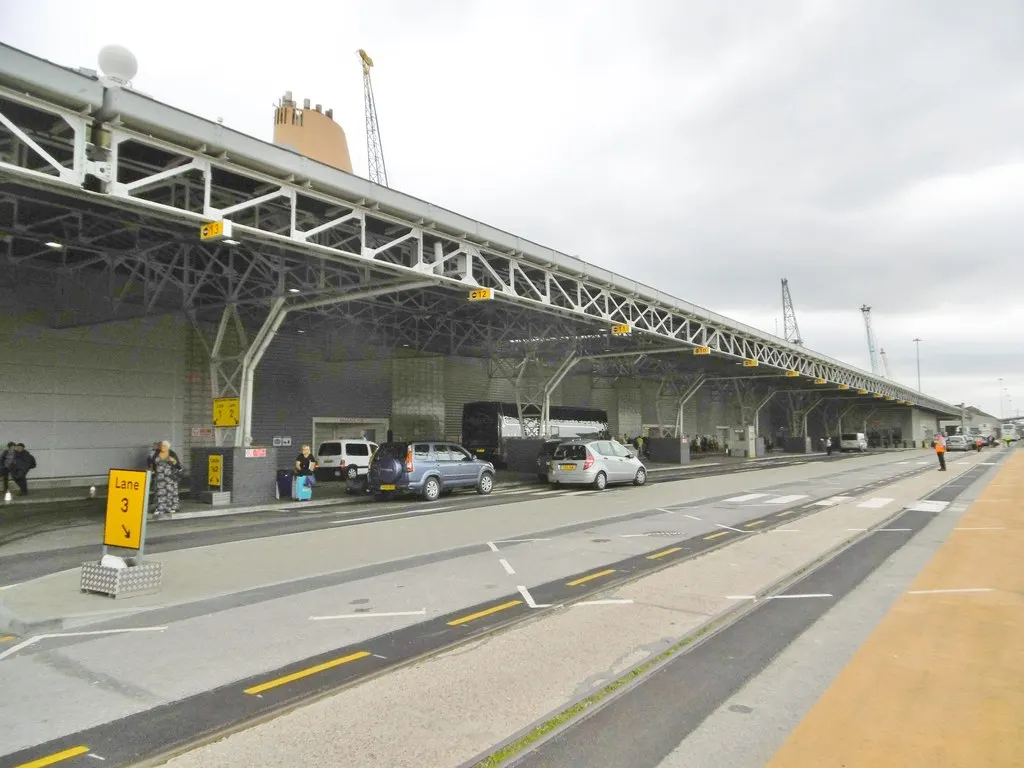
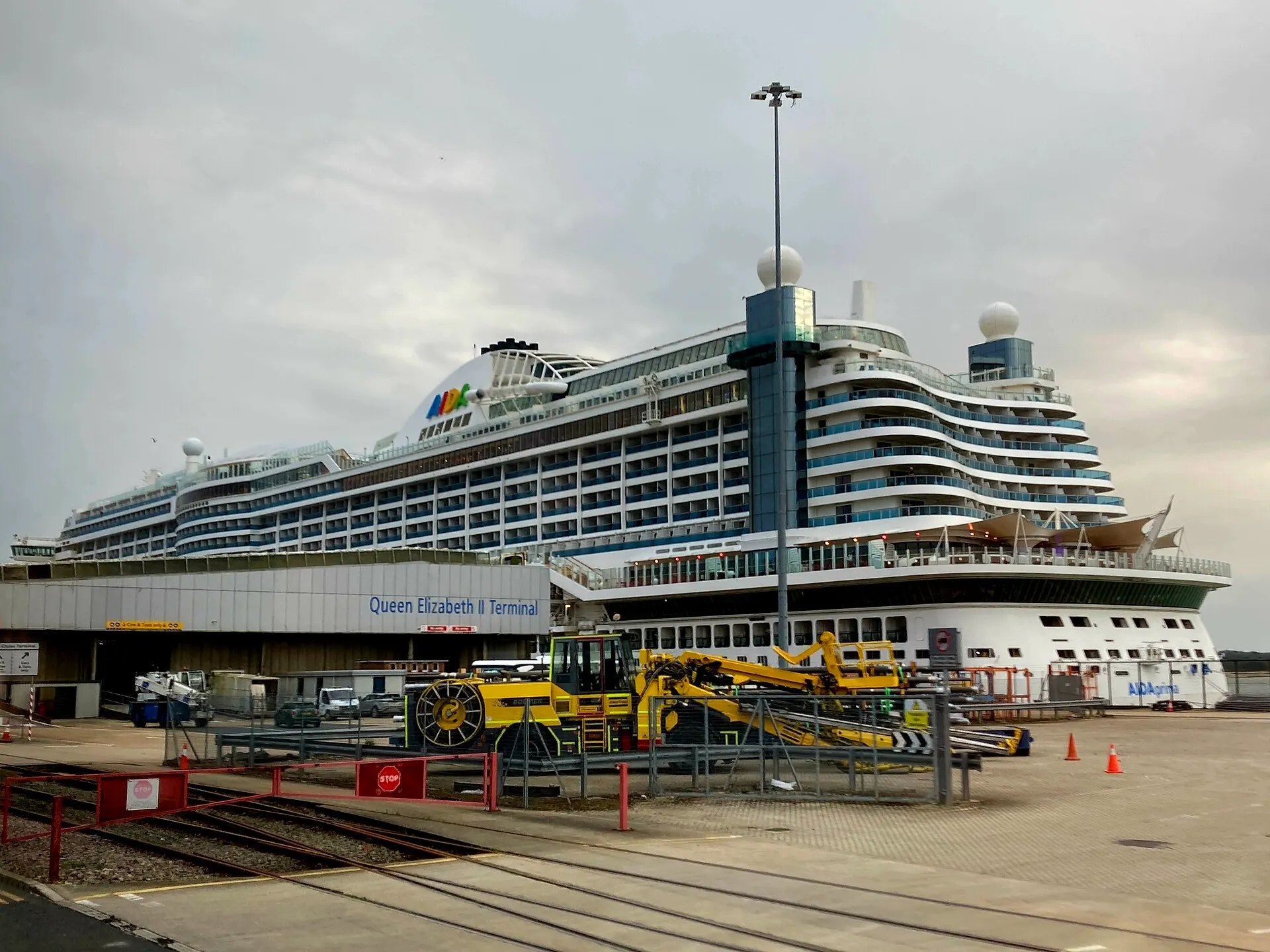
FCET plans cruise embarkation collections from the boarding window on the passenger's ticket. Begin with that current operator information, then add the date, ship, Southampton terminal and passenger names. Use the current boarding plan to set the requested port arrival. Associated British Ports identifies five Southampton cruise terminals, while Southampton VTS publishes a provisional cruise schedule. The schedule is useful context, not a guarantee. Confirm the sailing terminal and boarding instruction with the cruise operator before finalising the chauffeur brief. The terminal photographs are dated views, not current berth, vehicle-access or ship-allocation instructions. Provide the full Berkshire collection address and the entrance the vehicle should use. Add separate homes, hotels or railway collections in their actual order. Boarding passengers and cruise luggage can take time to assemble, so distinguish when the chauffeur should report from when the party expects to leave. Nominate a lead passenger and include a reachable mobile. If another person organises the transfer, keep that contact separate from the traveller who will be at the collection. One authorised person should supply material changes to the route or timing.
02 — Passengers and cases
Plan for the complete outward load
Count every adult and child, then list large cases, cabin bags, pushchairs, mobility items and unusual equipment. The fullest load determines the useful vehicle discussion because a people carrier and a saloon offer different balances of occupied seats and luggage space. Keep travel documents and essential personal items accessible during loading. Decide which belongings remain with each passenger and which enter the luggage area. If the party is split across vehicles, assign people and cases explicitly so nothing depends on an assumption at the kerb.
03 — Sailing-day brief
Four details that anchor the transfer
- Boarding
- Operator window and current instruction
- Terminal
- Confirmed sailing berth
- Load
- Passengers and every case
- Return
- Passenger message after disembarkation
04 — Southampton terminals
The terminal is part of the destination
Ocean, Mayflower, City, Queen Elizabeth II and Horizon are distinct Southampton cruise terminal contexts. Use the terminal named by the current sailing information. A generic Southampton destination is not enough for the final port approach, and a terminal used by the same ship previously may not describe this departure. Check the operator's current information again near travel and open the page for the named terminal. Share any terminal change with the chauffeur service promptly so the road destination, passenger instructions and return contact remain aligned. Build the pickup around the operator's required boarding context, the exact collection sequence, loading and the terminal approach. Road conditions can change, so give the booking team the requested arrival and complete itinerary rather than relying on a guaranteed road time. Send late terminal or boarding changes promptly. The chauffeur service can review how the update affects the plan, but it cannot guarantee a sailing or control port operations. Clear information early gives the transfer the best chance of remaining aligned with the passenger's instructions.
The useful principle
Work from the operator's boarding information, then give the road journey enough detail to reach the right terminal.
05 — Related journeys
Continue planning
06 — Disembarkation
Plan the return as a new landside meeting
FCET adjusts cruise disembarkation collections on the day from the passenger's message. Agree who will make contact, which terminal applies and what information the passenger should send after leaving the controlled arrival process. A disembarkation collection should include the onward address, complete returning party and luggage. Do not assume the outward set-down becomes the return meeting point. Follow the current terminal instruction and allow the chauffeur booking to respond to the passenger's actual release message.
What clients ask us
Frequently asked questions
24/7, 365 days · 100 Berkshire Place, Wharfedale Road, Winnersh, Berkshire, RG41 5RD