

01 — The destination
Reading to Dover Cruise Terminal 1
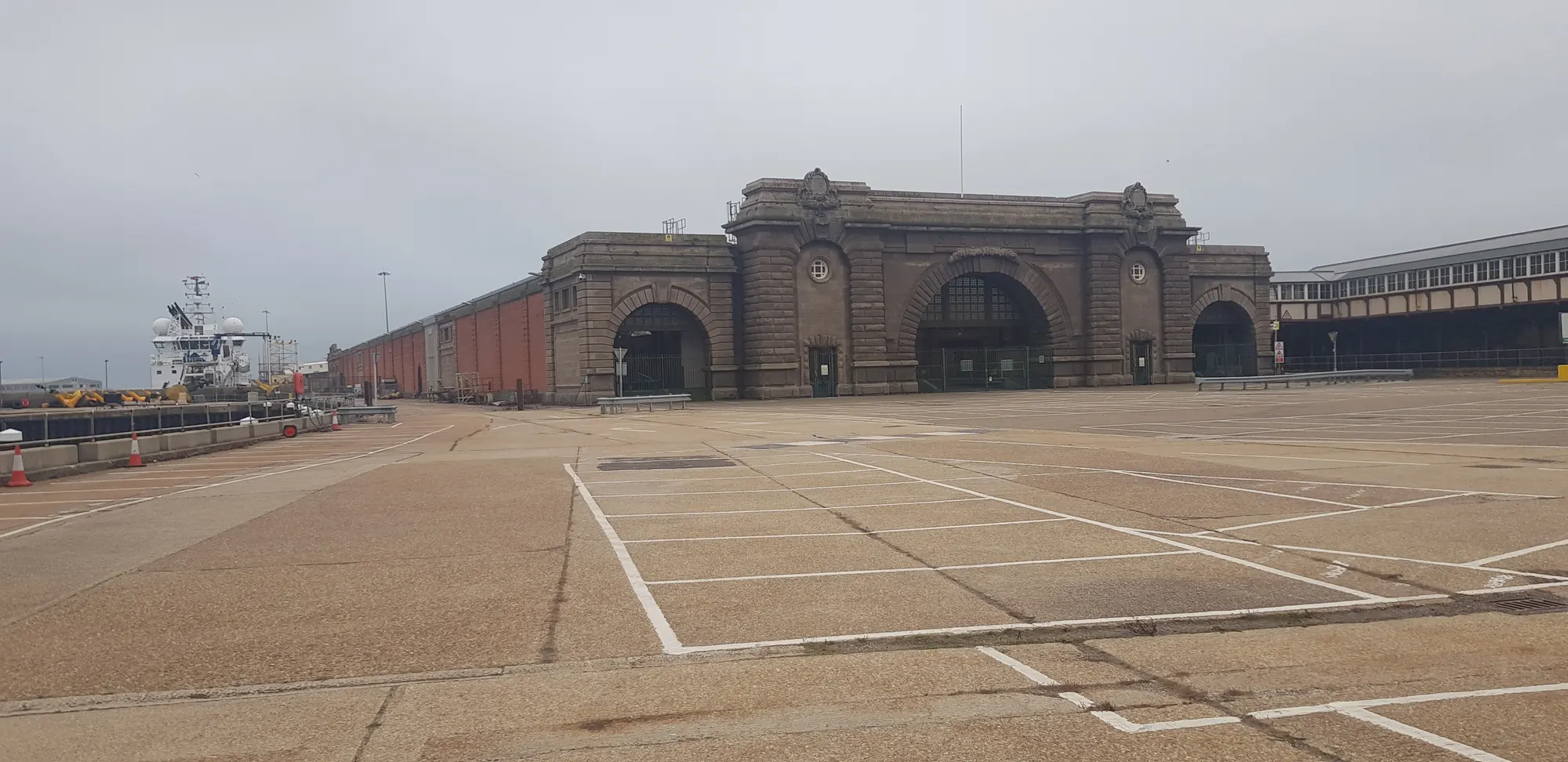
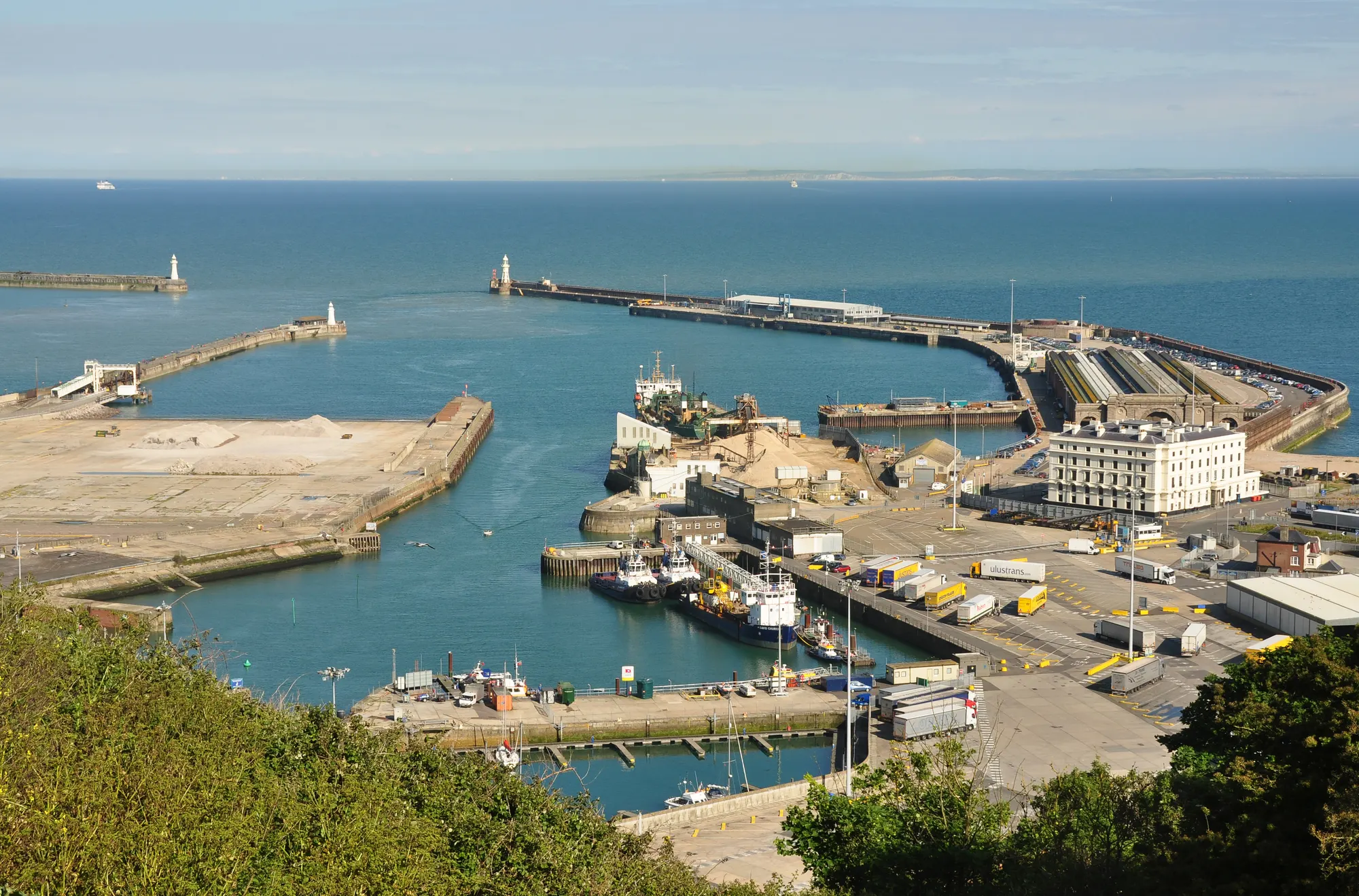
This journey is for Dover Cruise Terminal 1 in Western Docks. The terminal name remains specific throughout the booking: CT1, rather than Dover town or the ferry port. CT2 and WD4 are also different destination requests. A passenger arranging travel to one of those facilities needs an itinerary named for that destination instead of treating every Dover journey as interchangeable. The dated CT1 and Western Docks photographs show the actual location, but not today’s ship assignment or vehicle access; follow the current cruise joining instructions and port signs.
02 — Journey planning
The sailing and the car belong in one plan
FCET records the full Reading address and the current Dover Cruise Terminal 1 assignment before planning collection from the ticket boarding window. The passenger and luggage list completes the outward itinerary; a return has its own destination and contact.
- 116.8miles
- planning distance
- 137min
- weekday morning estimate
- 24/7service
- booking office
Road times are live-traffic estimates for a weekday morning; your quoted price uses your exact addresses.
03 — Before travel
Match the terminal to the joining instructions
The passenger's current joining instructions establish whether the sailing is assigned to CT1. FCET keeps that assignment with the sailing date and ticket boarding window when planning collection. A scheduled ship departure is a different entry from the time the passenger needs to arrive for boarding. The car plan works from the passenger's arrival requirement for the booked sailing.
If a revised document assigns another terminal, the destination needs to be revised too. The road figures here are for the representative Reading-to-CT1 journey and are a planning guide for that movement. Current road conditions and the full collection address are considered for the confirmed timing. A terminal change therefore belongs in the booking, not only in the passenger's cruise paperwork.
04 — Before booking
Four details that shape the plan
- FCET records the complete starting address and date.
- The booking records the required arrival and destination.
- Passenger and luggage totals shape the vehicle choice.
- Any return has its own date, contact and destination.
05 — Continue planning
Other station, port and airport journeys
06 — For the return
Record the return after disembarkation
For the journey after the cruise, the booking records its own terminal, travel date, passenger mobile and complete onward address. Some parties return to Reading, while others continue to a hotel or another destination. Those instructions are specific to the return sector, including any changes in passengers or bags, rather than copied automatically from the outward car journey.
Cruise-return timing is adjusted from the passenger's message after disembarkation and luggage reclaim. That update tells FCET about the party's progress; the ship's scheduled docking time is not treated as the collection time. Any onward call is included with its address and timing requirement before the return itinerary and cost are confirmed. The outward and return plans can then each reflect the journey the party actually needs.
What clients ask us
Frequently asked questions
24/7, 365 days · 100 Berkshire Place, Wharfedale Road, Winnersh, Berkshire, RG41 5RD