

01 — The destination
A Reading address to Paddington station
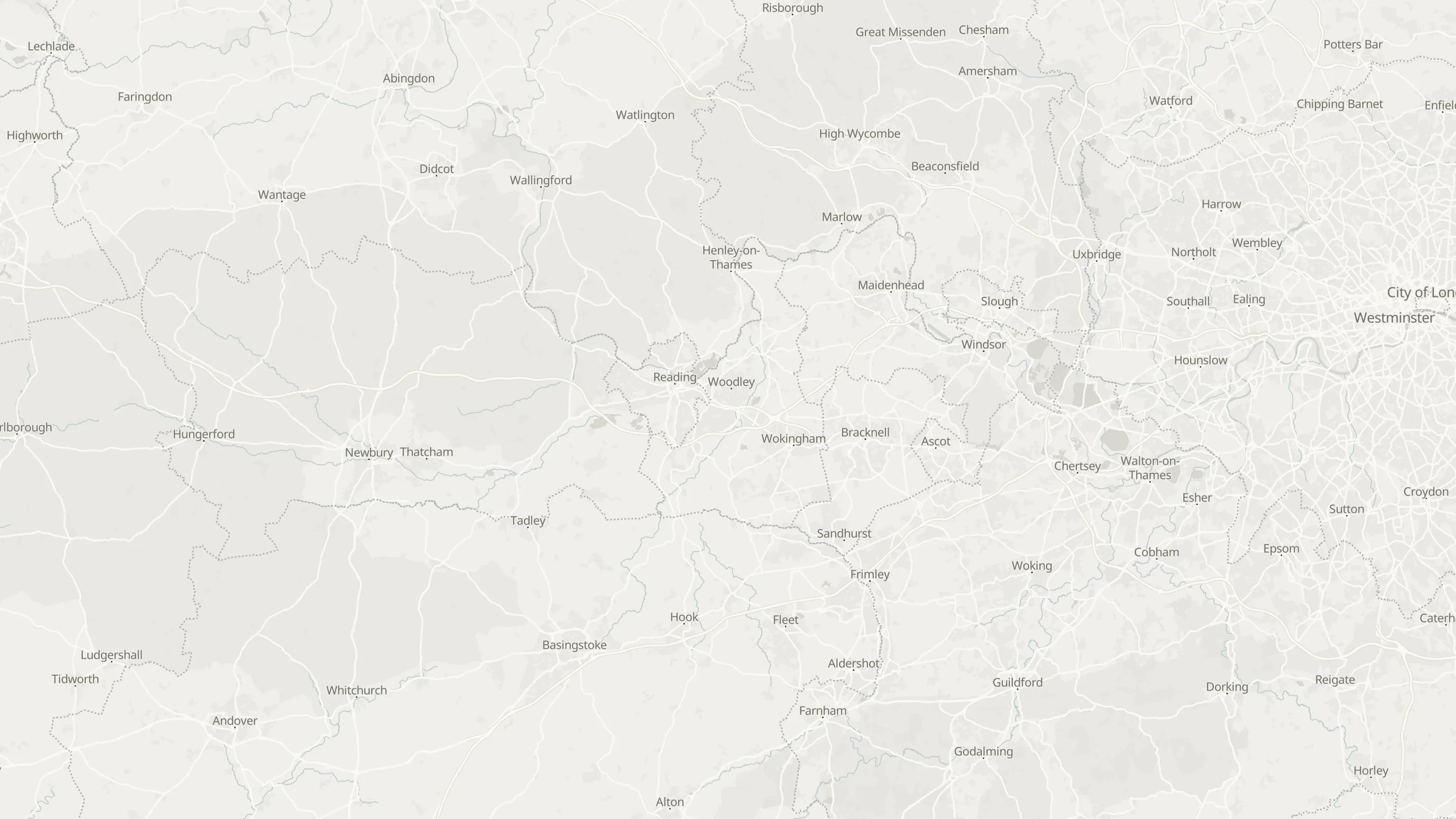
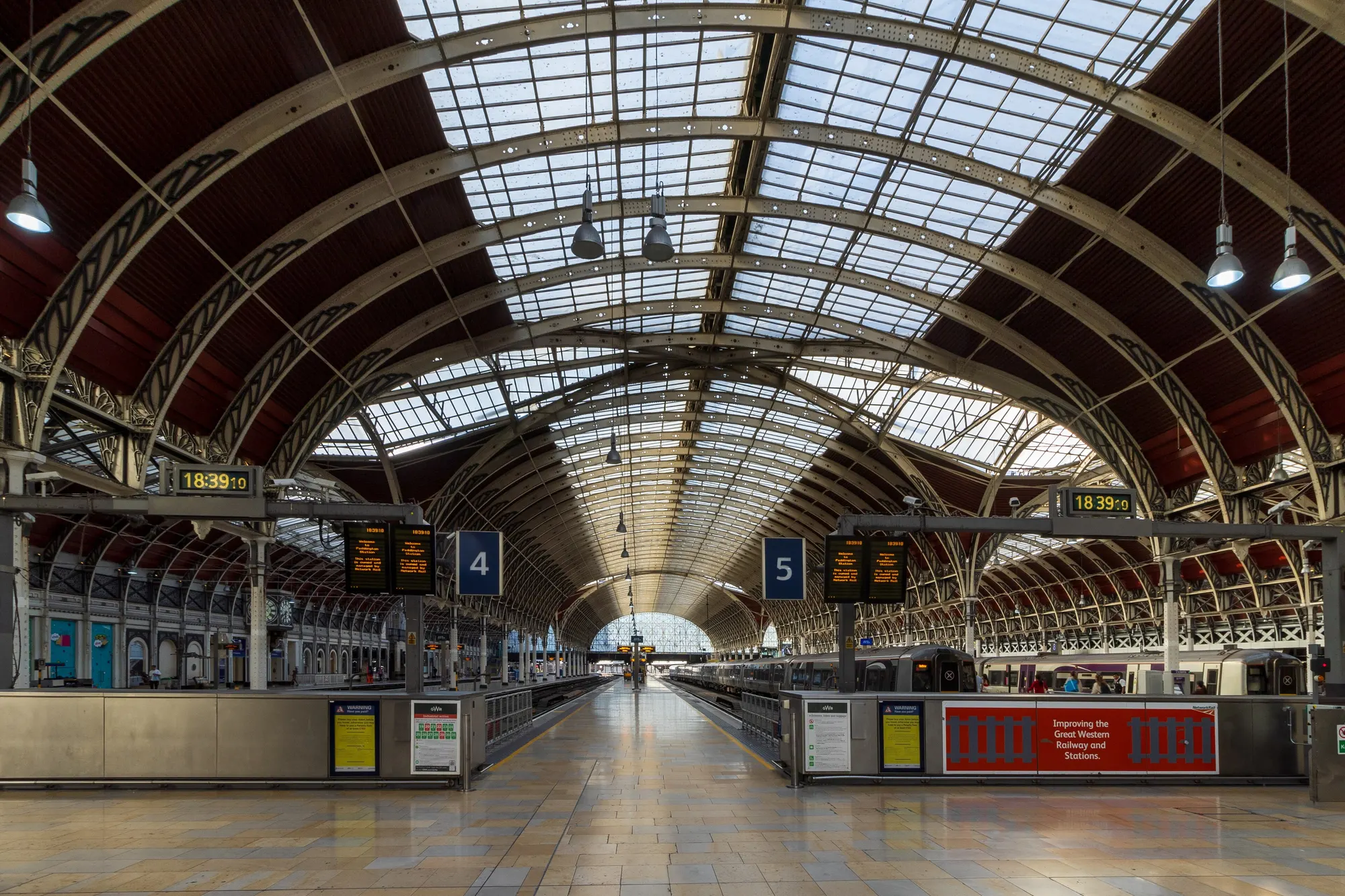
This journey connects a Reading collection address with London Paddington station. It suits a party arranging a rail departure, rather than a car journey to a central London office or hotel. FCET keeps the station name and a suitable station-side handover in the itinerary: Paddington has several entrances and a separate taxi deck, so a historic interior photograph is not a current road-access instruction. An onward London address belongs in the booking as a different destination or an additional call.
02 — From Reading
The collection address starts the plan
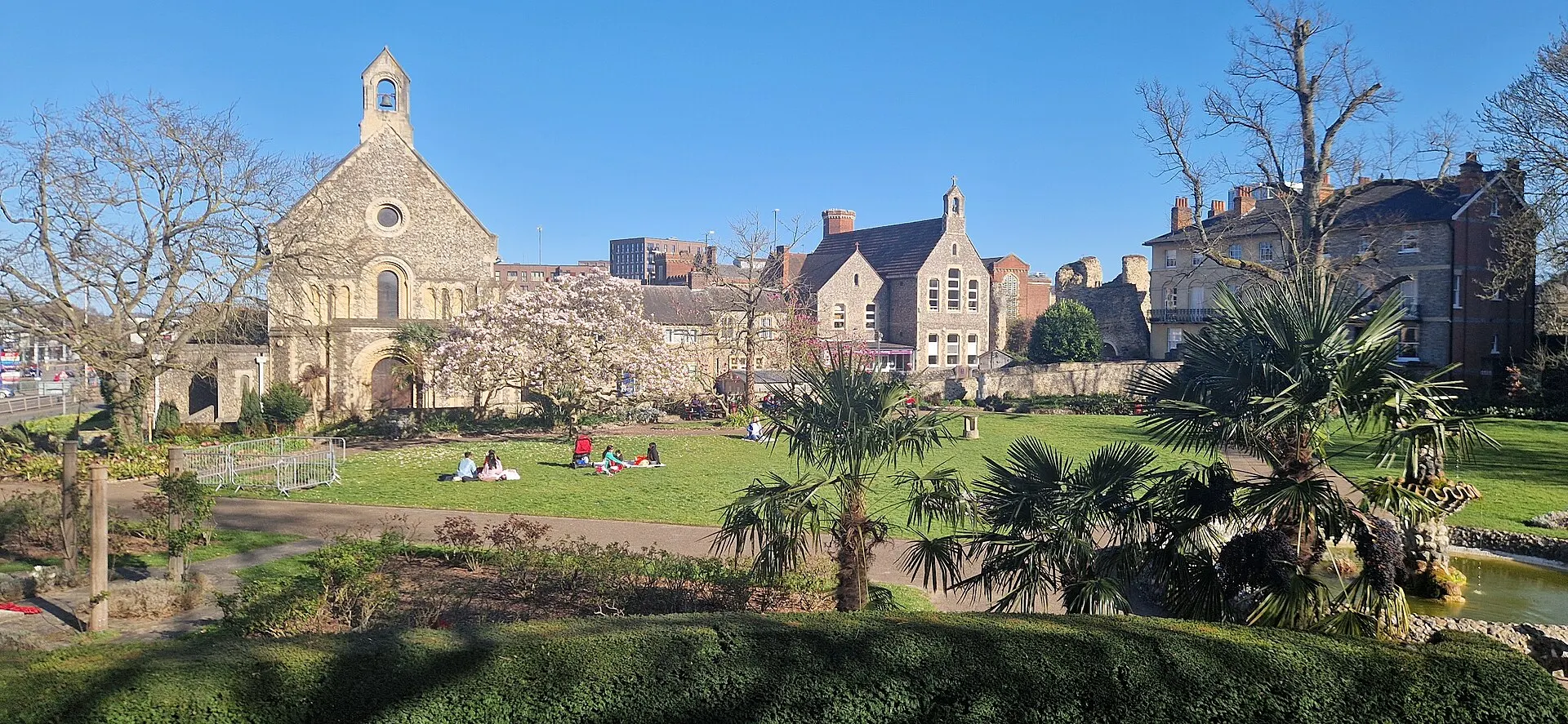
Forbury Gardens illustrates central Reading, not a prescribed vehicle pickup. FCET records the full Reading address, passenger contact and required Paddington station arrival before confirming the journey. A later return has its own train, meeting place and destination.
- 40.5miles
- planning distance
- 68min
- weekday morning estimate
- 24/7service
- booking office
Road times are live-traffic estimates for a weekday morning; your quoted price uses your exact addresses.
03 — Before travel
Fit the road leg around the train
For a departure, the useful deadline is the station arrival the passenger needs for the booked train. FCET plans the car collection around that arrival, the dated itinerary and current road conditions. The road distance and duration here are a planning guide; the confirmed journey uses the actual Reading address. A train departure time and a requested station arrival are separate entries in the day's plan.
Rail is also worth considering for the Reading to Paddington leg itself. Great Western Railway markets a direct route and publishes current timetable information. Our existing Reading to London road-versus-train guide explores the wider choice, including the whole journey rather than just one leg. A passenger travelling light may have different priorities from a group carrying cases or starting away from Reading station.
04 — Before booking
Four details that shape the plan
- FCET records the complete starting address and date.
- The booking records the required arrival and destination.
- Passenger and luggage totals shape the vehicle choice.
- Any return has its own date, contact and destination.
05 — Continue planning
Other station, port and airport journeys
06 — For the return
A return with its own destination
For the booked return train, FCET follows running times where the operator publishes live information. Otherwise, the passenger updates the chauffeur by text. The luggage list can change between the outward and return legs, especially where someone joins or leaves the party. Business, Business Estate, XL, First and SUV are the fleet classes to consider against the passengers and bags for each sector.
What clients ask us
Frequently asked questions
24/7, 365 days · 100 Berkshire Place, Wharfedale Road, Winnersh, Berkshire, RG41 5RD