

01 — The destination
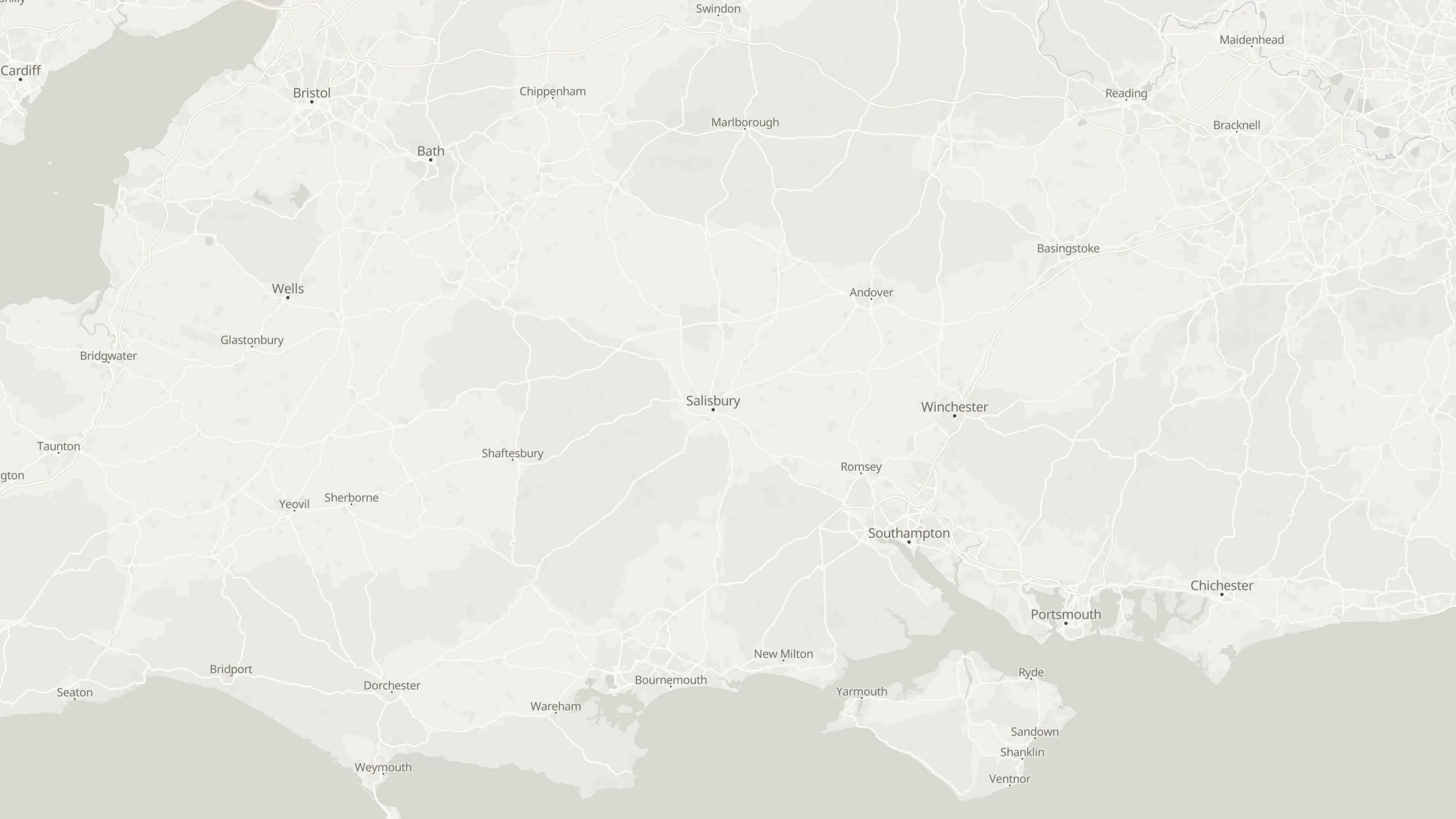
Reading to Portsmouth International Port
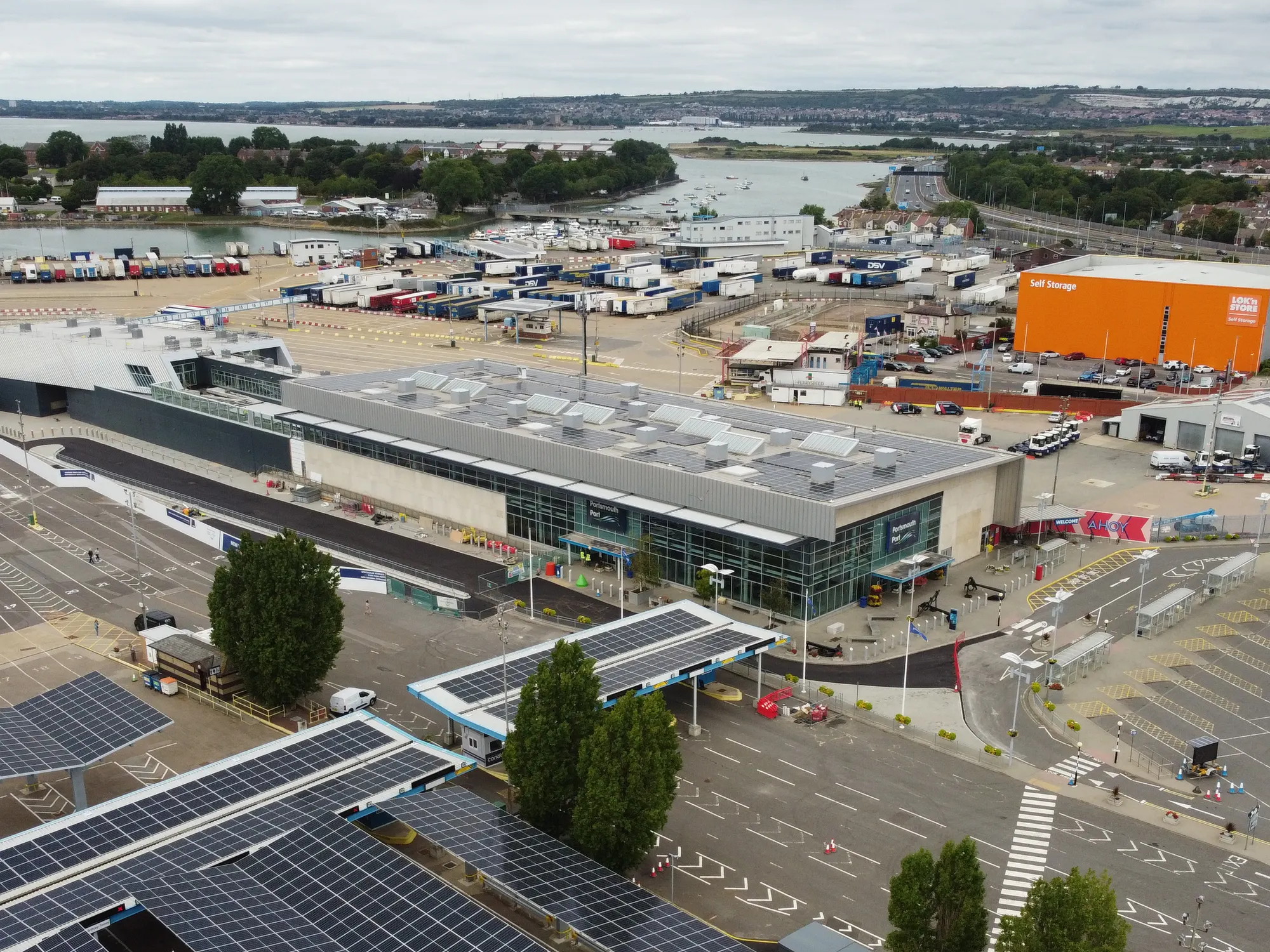
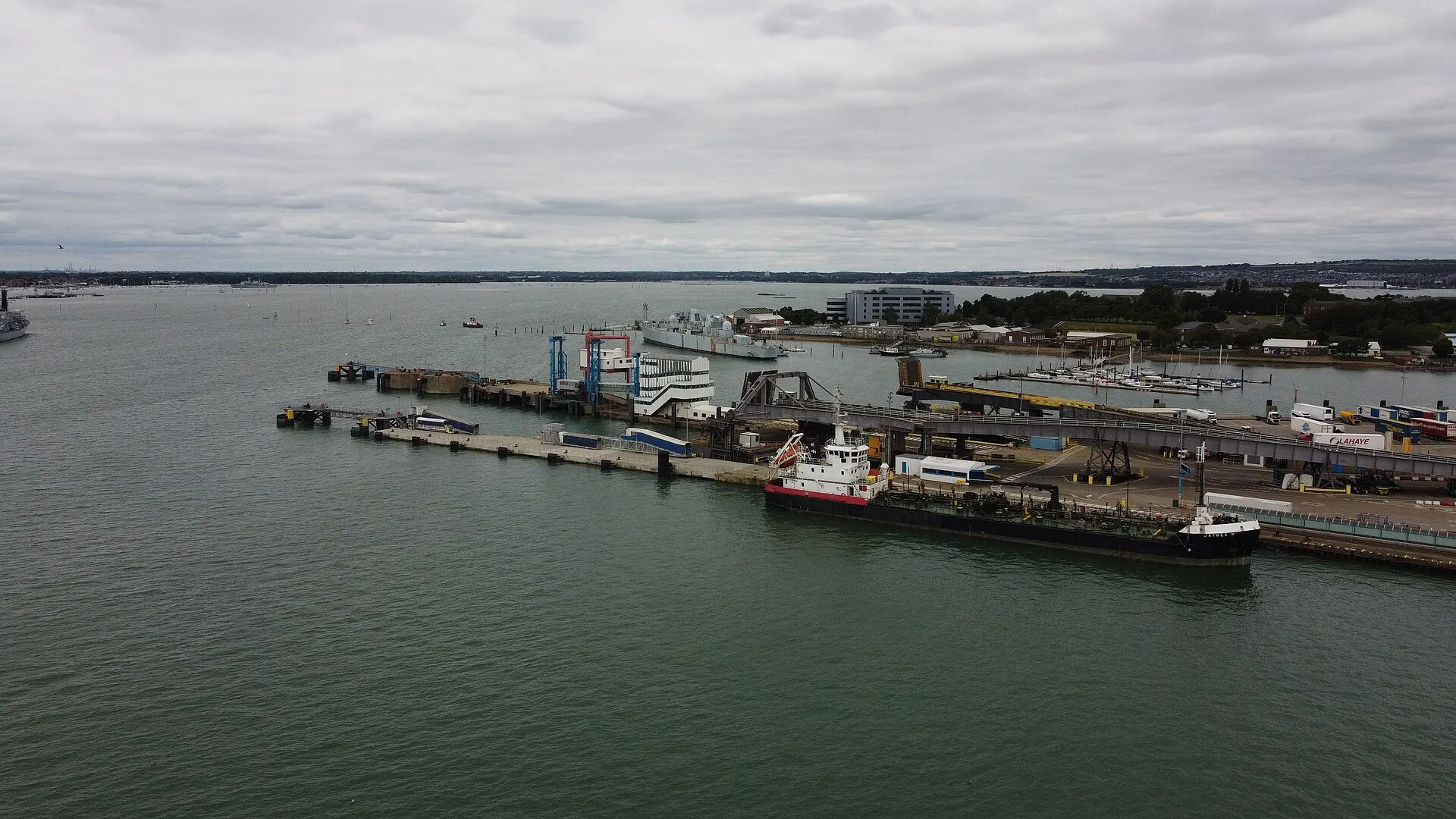
Portsmouth International Port is the destination of this Reading journey. Its George Byng Way address identifies the port when preparing the itinerary. The dated terminal and ferry-berth photographs show the actual port, but are not current check-in lanes or a cruise-berth assignment; follow the operator’s instructions and current port signs. A request for Portsmouth town, a hotel or another waterfront destination is a different journey. FCET keeps the International Port name with the operator and sailing so the booking describes the passenger's travel rather than only a city-to-city car trip.
02 — Journey planning
The sailing and the car belong in one plan
The booking records the Reading address, Portsmouth International Port destination and the operator’s reporting instruction. FCET considers passengers and luggage together; an onward or return sector carries its own date, address and passenger contact.
- 65miles
- planning distance
- 85min
- weekday morning estimate
- 24/7service
- booking office
Road times are live-traffic estimates for a weekday morning; your quoted price uses your exact addresses.
03 — Before travel
Cruise and ferry reporting are distinct
The operator, sailing date and current reporting instruction determine the arrival the passenger needs. Cruise travel uses the ticket boarding window; a ferry passenger supplies the ferry operator's own instruction. FCET does not treat those as the same deadline simply because both journeys end at Portsmouth International Port. The booking identifies the type of sailing before collection timing is planned.
The road distance and duration on this page provide a guide to the Reading-to-port movement. They are not a berth-specific itinerary. The actual starting address, dated sailing requirements and current road conditions shape the confirmed collection plan. If the passenger has a revised operator instruction, that new arrival requirement belongs with the booking rather than remaining separate in a travel email.
04 — Before booking
Four details that shape the plan
- FCET records the complete starting address and date.
- The booking records the required arrival and destination.
- Passenger and luggage totals shape the vehicle choice.
- Any return has its own date, contact and destination.
05 — Continue planning
Other station, port and airport journeys
06 — For the return
An onward journey after the sailing
An onward sector after arrival at the port has its own date, passenger contact and full destination. The party might return to Reading or continue elsewhere, and the operator details remain relevant to that new sector. A return need not have the same passengers or luggage as the outward car journey, so FCET records its load separately.
For cruise returns, FCET adjusts timing from the passenger's message after disembarkation and luggage reclaim. Ferry travel is planned with the ferry-specific instruction supplied for that booking. Distinguishing the two keeps the cruise-return process from being assumed for every sailing. The onward address and any further call complete the itinerary whose journey cost is confirmed at booking.
What clients ask us
Frequently asked questions
24/7, 365 days · 100 Berkshire Place, Wharfedale Road, Winnersh, Berkshire, RG41 5RD